
A More Sustainable Approach to MASH Care
Vida now supports people living with MASH (nonalcoholic fatty liver disease) through a personalized care model designed to improve outcomes while responsibly managing pharmacy spend.

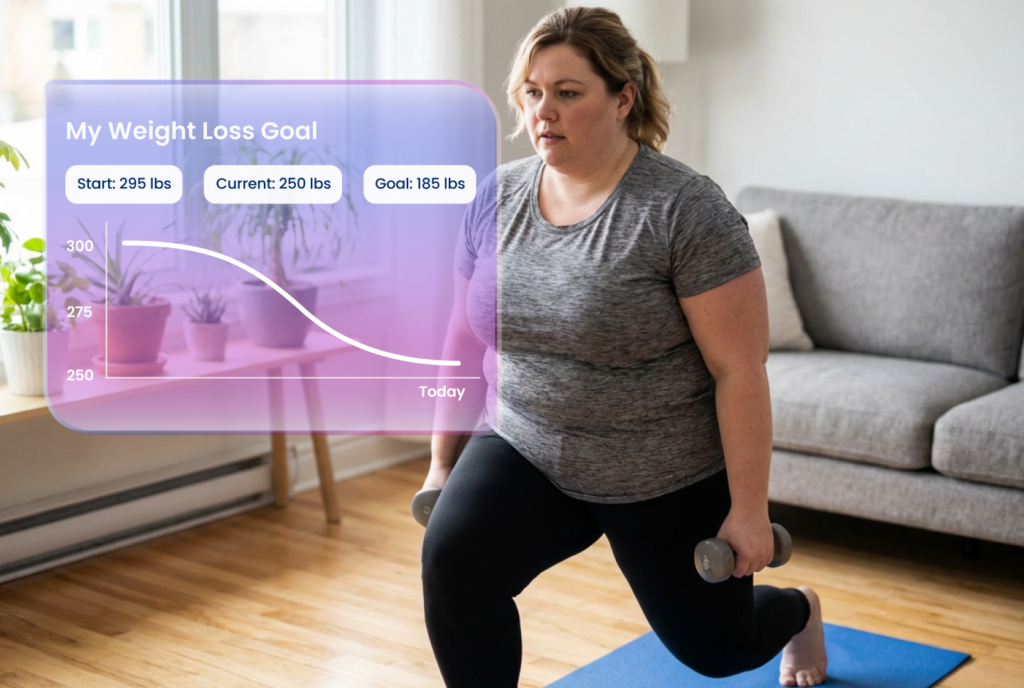
Vida’s MASH program delivers integrated, whole-person care through Medical Nutrition Therapy and behavioral health coaching. GLP-1s are introduced only when medically necessary.

Why MASH matters to Employers and Health Plans
MASH is a progressive liver disease closely linked to obesity, diabetes, and other cardiometabolic conditions. As new GLP-1 indications expand treatment options, employers and health plans face rising specialty drug costs and fragmented care.
Without a structured, obesity-first approach, MASH care can quickly become costly and difficult to manage.
Vida’s approach to MASH
Comprehensive Lifestyle Care
Nutritional guidance to address the metabolic drivers of MASH.
Behavioral Health Support
Integrated coaching to support adherence and long-term behavior change.
Responsible Medication Management
GLP-1 prescribing only when clinically appropriate, with ongoing reassessment over time.
Longitudinal Virtual Care
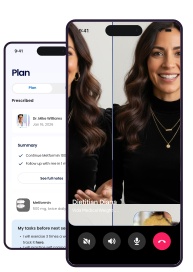
Continuous monitoring and support through Vida’s telehealth platform.
Built to deliver results without unnecessary spend
Vida prioritizes proven lifestyle and behavioral interventions first, using lower-cost therapies when appropriate and escalating to medication only when medically necessary. This approach helps improve health outcomes while giving employers greater control over GLP-1 and obesity-related spend.
Stay ahead of obesity-related cost trends
Get concise insights on GLP-1 utilization, metabolic care, and strategies employers and health plans are using to manage spend.