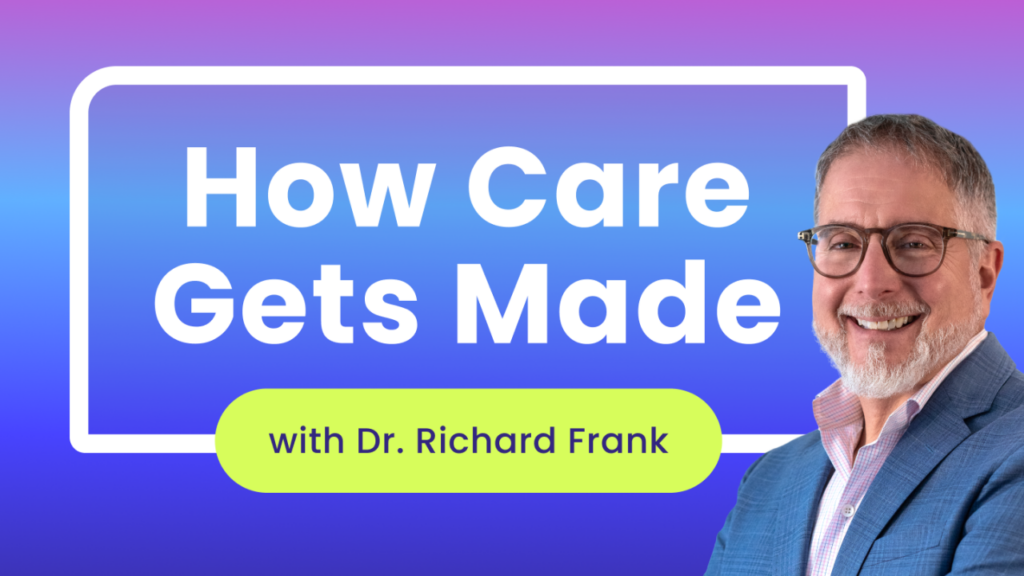
On-demand Webinar
About the webinar
With obesity rates rising and new pricing deals for GLP-1 drugs reshaping access and affordability, employers face fresh questions about how to design sustainable benefits.
Join Vida Health’s Dr. Richard Frank, Veeneta Lakhani and Suzanne Moyer, Senior Director, WTW, as they share data-driven results from Vida’s medical weight-loss program and discuss how consultants can help clients adapt.
Together, they engage in a timely discussion sharing clinical insights, real-world data, and strategic guidance on how care models and cost strategies are changing, and dive into how those using Vida’s medical weight loss program are achieving measurable outcomes: sustained weight loss, improved metabolic health, and reduced medication spend.
What you’ll learn:
- When GLP-1s make sense and when alternatives deliver more value
- How nutrition and behavior programs reduce total cost
- Why flexible plan designs are key for 2026
- Real world 18-month results from Vida’s medical weight loss program
Veeneta L.
And happy holidays. I think I may give it one more minute here, and let folks join, but really excited to get started on this discussion today. We have a great lineup, with, two special guests that I have the privilege of hosting. So we’re gonna get started in just one minute here. I’ll give it a minute.
Hopefully, everyone is, somewhere, warm.
Like, I think that’s what the that’s what we all need to hope for a little bit during this, this month of the year. Alright. We’re about one minute in, so I’m gonna get us started. So what a topic, for the first week of December.
Can’t wait to dive in. There’s kind of really exciting changes, in the landscape of obesity and, in in the landscape of GLP ones, and so what a great topic before we head into the holidays. I’m joined today by two guests. My name is Veeneta Lakhani.
I’m the chief operating officer here at Vida Health, and I’m gonna be facilitating this webinar today. I’m joined by two, two of my favorite people, and I’m gonna let them introduce themselves. So I’ll start, Suzanne, with you and let you, introduce yourself to the audience.
Suzanne Moyer
Thanks, Veeneta, and, glad to be here. Welcome, everyone. My name is Suzanne Moyer, and I’m a pharmacist by background. I’m a senior director with, WTW pharmacy consulting firm and, have, worked with Vida Health on a number of, client, installations and ongoing groups, and happy to be with you today. Great. Doctor Frank.
Dr. Frank
Thank you, Veeneta. I’m Richard Frank. I’m the chief medical officer of VITA. I’ve been with the company about four years now responsible for its clinical strategy. I spent the bulk of my career in managed care, and I’m looking forward to the conversation today. Hello, Suzanne and Veeneta.
Veeneta L.
Great. Alright. So we’re gonna dive in. And to the audience, just wanted to say if you do have questions, go ahead and drop them in the chat.
I will try to take them at the end. And if we have have time, I will I will save time at the end anyway to make sure we try to hit as many of those questions as possible. So so let’s dive in. Excited.
I’m I’m gonna tee this up with in a couple of slides just sharing a little bit of background data. And I I think what’s been interesting is just looking at the trends in GLP one agnostics kind of in in a longer like, since twenty eighteen, and, you know, we could we could probably even draw this line even further back than that. And I think it’s safe to say you can describe this growth as explosive. Right?
We’ve got a lot of people, that used some form of this medication, over the last several years, and and not just for obesity, right, for diabetes in large part, and and for obesity. We have expanded indications coming, MASH, cardiovascular reduction, and many, many more in the pipeline. So I would expect this line, grows even more. And this is a picture kind of before all of the recent announcements that have taken place around pricing and access that we’re gonna talk about today.
So, it’s, kind of interesting to take a look at this in combination with the next slide, which is effectively showing what what’s going on. Now I I don’t wanna, kinda claim a correlation here, but it is interesting to see that for the first time in a very, very long time, we are seeing obesity prevalence rates actually dip slightly. I found that really interesting. Haven’t seen it in diabetes, but, obesity rates are are dipping slightly, and, that same time period has associated with it a pretty, significant spike in GLP one utilization across the board.
So it is interesting to see the effect. Again, can’t totally correlate it, but, but it is interesting to see the effect. And so I’ll just maybe ask you, doctor Frank, for your observations here. Why do these trend lines look like the way they do?
We’re seeing a slight dip in obesity. We’re not really seeing it in diabetes. In fact, diabetes looks like it’s ticked up, even with all the utilization of GLP ones and the long range use of GLP ones for diabetes. What’s going on here?
Dr. Frank
So I I think you really, identified, a probable scenario, which is the advent Wegovy semaglutide for the treatment of isolated obesity in twenty twenty one correlates with the high point at thirty nine point nine percent obesity rate.
And so there probably is some impact of GLP-one, certainly you see that in the public health literature. But I think it’s more than just the drug itself, I think there’s become an increasing emphasis on diet, nutrition, activity, weight reduction. Many patients who present to their physician or, other type of treatment center for obesity may be prescribed a GLP one or may be prescribed a lower cost generic drug or simply diet and exercise.
And so I think what the GLP ones have done has prompted a conversation, perhaps prompted a cultural shift, and we’ll have to see whether or not this reduction persists. It’s only really present in just the last three years and it’s a bit early, I think, to draw any firm conclusions. But clearly the advent of GLP-1s has changed the conversation, in the United States and worldwide around the treatment of obesity.
Veeneta L.
Suzanne, your thoughts here? You you think that the medications really kind of reflected in these trend lines, or you think we, we’re gonna see a lot more change as we move forward?
Suzanne Moyer
Well, I I hope that we’re we’ll see more change as we move forward. I I agree with doctor Frank, and I think this this this growth in GLP ones for obesity and just the focus on obesity treatment is pretty unprecedented. I I can’t remember a drug that we saw gain this much popularity this quickly, and and now there’s a couple options available. So I think time will tell in terms of the the longer term impacts. And, of course, there’s a lot of other things related to obesity besides the the drug treatment I know that we’re gonna talk about today that will hopefully have a positive impact on these trends over time.
Veeneta L.
Yeah. And I and I think that’s the notable thing here, which is these trends are happening prior to, what I think is some pretty interesting news, because these, GLP ones, the medications haven’t been sort of widely accessible, but there’s been some recent news that I think may change that. So just to kinda summarize what we’ve seen hit the press maybe over the last thirty days or so, The White House effectively announced a deal, saying that they’re gonna, first and foremost, cover GLP ones for obesity, for Medicare and Medicaid, which wasn’t the case. Right?
They were covered for diabetes and, now will be covered for obesity. And alongside that, the Trump Rx initiative was announced with the idea that the pricing available, for Medicare and Medicaid and for, you know, people at large in terms of cash pay would be, quite a bit lower than I think what we’ve seen, as covered benefits thus far. We also saw Novo and Lilly make announcements about lowering direct to consumer cash prices. So it does seem that there is a ton of movement here, and and we and that the the I think from what I’ve read, the price the price differences seem pretty significant.
But I’ll let, you know, doctor Frank and Suzanne, you comment on them. They seem pretty significant. So maybe, Suzanne, we start with you. What what if you kind of experienced as employer reactions to this thus far? And, you know, do you think the price changes here are significant enough that it will change trends in the employer marketplace?
Suzanne Moyer
Yeah. That that’s a good question. We we certainly seen a lot less in terms of announcements around the employer, facing pricing. So at this point, most of the the groups that I talk with are hoping hopeful that, this this will will lead to lower employer pricing as well as we’ve seen with some of the direct to consumer pricing changes that have happened over the last, twelve or eighteen months. They have been somewhat commensurate with the the lower prices on the employer side net of rebates, and so we’re hopeful. I mean, any announcements we see about price, decreases is certainly welcome for employers.
It’s mainly, you know, benefiting employers that have already decided to exclude coverage of GLP ones for weight loss or who are who never, were able to cover or didn’t cover GLP ones for weight loss previously.
So we’re certainly hoping that this will translate to clients that and employers that cover these drugs on benefit, for their employees and and their families certainly, to to benefit them as well.
Veeneta L.
And do you think from a kind of benefit coverage strategy perspective that employers will kinda wait and see, or will many of them, you know, decide to drop coverage and and, embrace some of the consumer pricing?
Suzanne Moyer
From my perspective, most of the changes for twenty twenty six, at least one one twenty twenty six, had had already been made at this point, that the these price decreases were announced. And so I don’t see it driving changes in strategy for January first, which is less than a month away now. Yeah. But this, GLP ones has also, you know, brought about midyear plan design changes that we didn’t historically see very often. And so I think it it could potentially bring about some changes in twenty twenty six as midyear changes, potentially, again, depending on what happens on the employer side.
Veeneta L.
That’s great. Doctor Frank, what implications does this have for from a Vida perspective?
Dr. Frank
Sure. So we’re I mean, as a physician, I’m very excited to see the cost of evidence based health care go down and to the extent that it increases access and availability for patients with real disease. That’s a good thing across the board.
Still, the drugs even at the prices that we see in the newspaper will be multiple thousands of dollars for patients. The vast majority of whom if they need these drugs will be on them for life. So I I think even at the prices we’re talking about, they’re still, intensely burdensome to employers, the government to the extent that it’s government subsidized health care, and to individuals who have to pay some portion out of pocket.
But more broadly, when I think about the treatment of obesity, yes, GLP-1s are really a dramatic innovation and clearly even from the graph you showed a couple of slides ago, have dramatic impact or the suggestion is dramatic impact on the treatment of obesity. And yet obesity is a multi factorial disease. It’s based on behavior, genetics, environment.
And when one is thinking about treating this very complicated disease state, certainly having access to GLP-1s gives physicians a new tool in the tool chest to treat these patients.
But from Vida’s perspective, we really still need to deploy this holistic multidisciplinary solution over the long term to deal with this chronic disease. So yes, price drops certainly help, but by no means does this solve the problem of obesity in the United States.
Veeneta L.
Yeah. I think that’s a really good point. I wanna I wanna dive into that. But just to kind of keep us on the, topic of coverage, I’m gonna, Suzanne, ask you to maybe, talk through, the next couple slides a little bit. What have we seen in terms of coverage trends, in the last year, and maybe comment a little bit on what you might think will happen moving forward?
Suzanne Moyer
Yeah. So this is data from our most recent best practices in health care survey to that that does show increases overall in coverage of for obesity alone. So, for weight loss, this was something that, because that was driven primarily over the last few years because we have a very effective, clinically effective tool to treat obesity. So clients want employers wanna cover medications that are are evidence based and, show clinical value. And so almost sixty percent of our clients, our employers do cover GLP ones for weight loss today with more, considering covering them in the future.
This at the same time where we do have a certain segment of the employer population, some employer groups and some notable groups over the last, you know, twelve to eighteen months, again, that have decided to remove coverage of GLP ones because it’s unaffordable for their plans. So we we do have a dichotomy here of, you know, many companies wanting to cover these products because they’re they’re great drugs for the use, for the treatment of obesity, but, again, concerns about the budget impact and overall sustainability of this coverage.
Veeneta L.
Yeah. And and what’s interesting is you point out the various guardrails, as employers have embraced this medication that they’ve also put in place to try to manage cost. I’m curious about your perspective. I think some of these guardrails have been in place maybe a, you know, a year or two now, maybe longer.
Do you do you think they’ve been effective for employers in achieving the the kind of combined impact of access to the medications where appropriate but managing the costs? Have these have these been effective thus far?
Suzanne Moyer
I I think that we really haven’t had quite enough time to determine, you know, yes, they’re they’re effective, but, of course, there is a significant amount of interest in them, particularly in the, you know, requirement to participate in a vendor lifestyle modification program, which, you know, is is fairly prevalent Yeah. Mainly as of this year, though. So we don’t have even a full year’s worth of data for many clients for this type of strategy.
We are seeing, this drive engagement in, pro in the lifestyle modification program, of course, because they they need to do this. Employees need to do this in order to get coverage.
In terms of what it what impact it will have on the pharmacy and the medical costs long term, of course, that is is still, to be determined. But another reason to keep in mind other than cost, of course, and and cost containment, cost management is really because of some of the clinical aspects of these medications and the complexity of their use. And, you know, we can say that, you know, diabetes medication these medications have been used in diabetes for years and years without, you know, mandating, enrollment or or participation in a a a lifestyle modification or condition management program.
But it they have been used typically as a part of a comprehensive treatment plan for diabetes. And while they haven’t been used perfectly, it it’s it’s somewhat different when we’re talking about treating obesity alone without comorbid conditions because it it may be bringing a lot of people into the health care system that have not accessed care previously. But like you said earlier on, with the advertisement, with the the increased visibility and interest in in treating obesity and the popularity of these drugs, it has brought a lot of new people into the system and a lot of people using medications at a younger age because it is, you know, obesity alone.
And so it it has really shifted the dynamics of, you know, who who’s using these drugs and how they’re using them and concerns, frankly, about inappropriate use, you know, using them to, you know, to to lose some weight for a social event or, you know, short term gains and and not really, you know, for long term health impact. And so I think that is why a lot of our employers are interested in in this particular strategy to, again, have guardrails, have some cost containment around these products because the unmitigated use is just not sustainable in terms of a cost and budget impact. But
really for the clinical care associated with, you know, with these programs to to help patients use these drugs appropriately and sustain their use if if that is what is most appropriate for that particular member.
Veeneta L.
Yeah. It it is interesting what you said, though, that it brings a large kinda cohort of people who may not ordinarily be engaging with the health system at all, and it kind of, brings them into the system and gets them into, into utilizing. I I’m curious, doctor Frank, because you you brought it up. You you sort of said, okay. That’s great. We’re bringing people into the system early, and, prices are coming down, but it doesn’t really solve the obesity problem. So I’m maybe you can comment a little bit on the, the efficacy of using a kind of a a lifestyle requirement, alongside the medications.
Dr. Frank
Yeah. I think that’s that actually has enormous value. And in fact, if you look at the label for these drugs, it essentially, assumes that a patient would be engaged in a comprehensive lifestyle intervention. And that’s really critically important because there are as Suzanne said, this is a very complicated disease.
These drugs need to be used by really experts in the field. It starts from a process of whether it be the physician or an organization like VITA, identifying the right patient. We certainly see patients, a soft subset, who present with active eating disorders, BMIs that would be dangerously low to be on these drugs. And so you have to identify the right patients, that both meet the label as well as the expectations of whichever sponsor is paying for the agent.
Once you bring them in, you need to do a complete medical intake to determine that there are no contraindications for the use of these drugs. Patients needs enormous support with side effects. We know that roughly, one third to forty percent of patients will stop these drugs by year two, due to side effects typically, if not cost. For the small subset who can wean these drugs, that’s critically important.
We actually see patients who come in on these agents, who may or may not have been engaged in a lifestyle intervention. When they arrive at VIDA and we engage them in our intervention, patients who are already plateaued on these drugs go on to lose sometime as much as five to six percent additional weight reduction. So we can actually see in our data the value of a lifestyle intervention on top of the drugs.
So the reality is both in terms of patient selection, managing these agents, encouraging adherence, helping those individuals who might be appropriate from coming off these drugs, all of these are are components of a lifestyle intervention that for those patients who simply receive a prescription really see no benefit. So if you’re the sponsor, the employer, and you are considered these drugs an investment in your workforce, you absolutely want a wraparound comprehensive lifestyle intervention.
Veeneta L.
And and, Suzanne, would you say that some of these, guardrails will start to change if prices are coming down? And which of these do you think will kinda remain, and which of these might change a bit?
Suzanne Moyer
Well, I think that if the prices come down, perhaps the the biggest change we could see is is in the the step therapy requiring lower cost obesity medications before GLP ones.
You know, although although there are, good reasons to try other medications before jumping to a GLP one for the treatment of obesity.
Again, GLP ones are really effective medications to support, you know, patients in this in this condition. And so I think that if the if the price came down, there would be, you know, less interest in requiring the use of those older agents that, you know, historically, patients maybe haven’t been successful as successful on, particularly without the the wraparound clinical care as as as what we we have seen with the the GLP ones.
You know, there’s also a lot of discussion, you know, with our with employers around limiting to a limited prescriber network or center of excellence. Those strategies can be fairly disruptive to the to membership. And so they they are are being deployed now, and there’s a lot of interest there. But that that is is primarily, you know, cost driven given the the need to to manage costs associated with these medications while at the same time, there is a clinical component to that, of course. But that could be, you know, from my perspective, you know, something that is addressed through, you know, requiring participation in a lifestyle modification program, because that is, you know, how these drugs were approved to be used versus a particular, set of providers.
Veeneta L.
Yeah. It it’s inter it’ll be interesting to see how, how this kind of evolves. I’ll I’ll move us a little bit to the next slide, I think. You know, doctor Frank, you kind of mentioned this already, that in order to really tackle the problem of obesity with you know, regardless of where the prices sit, you need a, you know, a multifaceted approach here. And if the medications are effect as effective as they are, why do you see the need for this type of expertise, in the care of obesity?
Dr. Frank
Right. So, again, if you look at the label, that the FDA approved, it was fairly vague. It said that a patient should be engaged in a diet and exercise program. But beyond that, there were no explicit descriptions of how a patient should be engaged in such a program.
But as you know, obesity has been a prevalent disease in the United States for at least two generations, and there’s actually quite a literature base on what helps patients manage their weight. And from our own data as well as data and literature, we can see that when you provide a multidisciplinary program with the experts you see here listed on the slide, you actually can deliver more weight reduction with a wraparound program than you do with the medications as a standalone intervention. And in particular, the elements that I think drive better outcomes and really deliver a maximal benefit, whether the intervention is lifestyle, low cost generics as Suzanne alluded to, or GLP-1s are elements such as medical nutrition therapy delivered by registered dietitians.
This intervention focuses on setting targets for macronutrients like proteins, fats and carbohydrates with the intent of creating a caloric deficit and bringing down weight.
Coaching to create a sense of accountability for the patient where the patient articulates what’s their objective and commits to weighing themselves daily, exercising three times a week. Having that relationship between the coach and the patient really creates accountability around the intervention. As I alluded to earlier, many patients who struggle with obesity may have a variety of eating disorders and having licensed clinical therapists who are experts in those kinds of conditions can assist the patient with food noise, disordered thinking around food and emotional eating.
Just having experts, our own physicians are board certified in obesity medicine. Many, lay people may not know that you can actually get board certification in obesity medicine from the American Board of Medical Specialties. So that’s a critical element. And then as Suzanne alluded to, these drugs, this cultural shift is bringing many patients into health care much earlier than they might otherwise have been brought into the healthcare system.
And what we’re seeing is that we’re identifying patients with a variety of occult disease states, risk for cardiovascular disease, cerebrovascular disease, obstructive sleep apnea, what is now called metabolic dysfunction associated steatohepatitis or MAH, previously nonalcoholic fatty liver disease. So having a relationship between the clinicians who are treating the patient’s obesity and the patient’s broader clinical ecosystem to ensure that all of their conditions are being identified and managed is really critical to delivering, the maximum clinical benefit from these very expensive agents.
And then lastly, people who struggle with obesity cross all social and financial demographics. And so we really need to be sensitive about the fact that our clinicians and our, the individuals who will be treating these patients really can meet whatever demographic presents itself. So you want to have a variety of individuals in your clinical ecosystem who may be able to speak multiple languages, present from multiple cultural backgrounds. And we do this because it delivers better clinical outcomes.
So it really really behooves us to provide a multidisciplinary clinical solution rather than simply making these drugs available through a broad provider network which perhaps may not have the same kind of expertise.
Veeneta L.
Yeah. And and I’d love Suzanne’s perspective on this because as she described, it’s what you know, one of the guardrails in place out there today is to, kinda narrow the network and limit it to a center of excellence of of providers, which has, you know, for the most part, been cost driven thus far. But, Suzanne, maybe if you step back and look at this, is there value that employers can see in leveraging, you know, expertise like this in a preferred kind of, like, a preferred network kind of status because it actually delivers, you know, greater results than if people were just getting care kind of broadly out in the community without all of this expertise and, multidisciplinary approach.
Suzanne Moyer
I do think that that can be helpful. There are some some, lots of people who who have great relationships with their primary care physicians and get really good care, but there are likely many more people that that don’t necessarily have that access. Either they haven’t engaged in that historically, don’t know how to navigate the health care system, particularly of different, you know, socio economic backgrounds. When we when we talk about access, we wanna make sure that access is available to to all employees, to to all members, and not just those that may live in communities that, have, you know, good in person or physical, you know, provider access.
So it it really is the the multidisciplinary approach too, particularly with obesity treatment because like doctor Frank said, I think earlier, you know, this there there isn’t one type of patient. There isn’t one treatment that that will work for everybody. It really is, you know, incredibly varied and at different points along the care journey as well for obesity. So maybe, initially, you know, meeting with a dietitian might be most appropriate and, you know, at some point, you know, if if that is addressed, if the if the exercise is addressed, you know, maybe maybe that is a appropriate time to engage a prescriber and and look at drug treatment depending on the the target, you know, targets that are set by the care team and and the patient and what they need to ultimately, you know, live a healthier life and and, you know, reduce the likelihood of progressing to diabetes or some of those other comorbid or or, you know, complications associated with obesity down the road.
So I do think that this is one of the you know, for many of my clients that aren’t requiring the use of a lifestyle modification program or or or that that narrow prescriber network, they they do wanna make programs like this available so that those that don’t have access, you know, in the community, you know, do have access to this type of care.
Veeneta L.
Exactly. And I’ll I’ll I’ll move this along a little bit here, doctor Frank, but we can in in just distinguishing, the care for obesity versus the care for obesity with, chronic conditions, because I think Vita’s also long since made that, primary care physicians have often, been involved in the care for diabetes and related conditions, maybe, less so in treating obesity as a chronic condition. So can you comment a little bit on how the expertise matters when you’re taking on you’re really looking at obesity as a chronic condition in and of itself.
Dr. Frank
Sure. So I think what we’re really talking about here is cardiometabolic syndrome. And some clinicians, some experts in the field think of obesity as the driving cause of cardiometabolic syndrome. This dysregulation around blood sugar, lipids, blood pressure that can lead to so many complications and such enormous cost for employers and morbidity and mortality for patients.
So obesity may be the cause. Some experts think of cardiometabolic syndrome really originating, as I said, in behavior, environment, and genetics and see obesity as part of this syndrome. Irrespective of that, you really need to approach these conditions in multiple different ways focusing on the evidence based medicine and the clinical guidelines associated with each of them. So isolated obesity really should be treated initially with a behavioral intervention, seeking essentially a minimum of five to ten percent weight reduction and normalization of biomarkers to achieve a better health over this the long term.
Now many patients will be successful with a behavioral intervention, even more will fail. And to Suzanne’s earlier point, they’ll need access either to lower cost generic anti obesity medications or potentially the higher cost GLP-1s. But the solution around isolated obesity really is focused on age, progression from, conservative interventions with behavior change and lifestyle all the way up to behavior change, lifestyle, and medications, and potentially surgery, metabolic or what’s also called bariatric interventions. When you start to look at the clinical conditions associated with, obesity, hypertension, hyperlipidemia, type two diabetes, obstructive sleep apnea, NASH.
These are conditions that have a much shorter timeline for delivering complications, morbidity, and ultimately early mortality. And so here you need to lean in on medications much earlier and the endpoints are much clearer. We know what it looks like to control blood pressure below one thirty over eighty, what it means to control cholesterol and LDL below one hundred, etcetera. So here you start to lean into the protocols around treating these disease states.
And so you kind of have a branch point when you think of managing these conditions. For a patient who presents with type two diabetes and obesity, it really is appropriate to go to a GLP one, if not as first line therapy, certainly second line therapy, potentially along with an SGLT2 after metformin. For patients who meet the clinical criteria for NASH, through appropriate testing, it’s appropriate to go to a GLP-one to treat these patients and avoid the onset of cirrhosis, hepatocellular carcinoma and potentially the need for a liver transplant. So as VITA thinks about its comprehensive programs around cardiometabolic syndrome, the fact that we have experts in the field allow us to differentiate.
Is it appropriate to go with a low cost solution, more conservative intervention to start, or perhaps triage the patient to a higher acuity intervention and really follow the clinical guidelines and deploy medications much earlier in the patient’s care and then demonstrate that we’re delivering value to the patient and sponsor by improvement in biomarkers.
Veeneta L.
Yeah. And and just to connect this, point of, kind of, you know, triaging, patients according to their needs, Connect this point to a comment I think that Suzanne was making. Many of these patients have great relationships with primary care physicians, in their community, and and yet the specialization here that we’re bringing to the table, kind of matters. How do you view that relationship sort of evolving, over time, you know, really kind of enhancing primary care, delivery with some of the specialized care that you’re talking about?
Dr. Frank
Yeah. So it’s very interesting that obesity is seen as a disease state that can be treated with a brief call on a telemedicine appointment, a one year prescription with potentially without follow-up, the multidisciplinary approach that’s contemplated in the label and then in all of the evidence based guidelines is sort of a maybe we do it, maybe we don’t. And yet, we think of obesity as really a complicated disease state, just as congestive heart failure, coronary artery disease, diabetes, and we would never bat an eye at suggesting that there should be care coordination between the primary care physician and the specialist. And yet in obesity, we wonder if that’s really necessary.
In our mind, as a team of obesity trained physicians and obesity certified physicians, we really think of it as a partnership between our specialists and our multidisciplinary program, treating patients with these complicated disease states and these multitude of comorbidities and a partnership with the primary care physician. So when one of our physicians or nurse practitioners sees a patient with obesity and we are prescribing, deprescribing, managing side effects or addressing abnormal laboratory values, we work with the PCP, we communicate with the PCP to try to create a coordinated approach so that the patient is getting excellent primary care to address the multitude of clinical conditions that they may have, while also receiving excellent specialty care to manage this underlying complicated disease state. So in our minds, we’re really replicating the specialist primary care relationship that we’ve seen in health care in the United States for the last fifty years.
Veeneta L.
Excellent. And, Suzanne, from an employer perspective, as they kind of make decisions on their strategy around metabolic syndrome, I guess, is what I should really, call it, what are they looking for? I mean, if is the is the trend really how do you produce cost management? Is it more holistic? What what are employers really looking for, in this space?
Suzanne Moyer
Well, the the the increase in popularity of the GLP ones for obesity has really driven a lot more interest in these types of programs. But clients, you know, from a practical perspective, employers don’t wanna manage multiple relationships with multiple vendors. And also, you know, patients don’t wanna work with, you know, a bunch of different people for, you know, treating, you know, what is essentially their one person. Right?
Their their one collection of of conditions and and, challenges. So it clients are really employers are really looking for, programs that can offer support to patients regardless of where they are on the spectrum and, you know, with that that coordination or partnership with the primary care physician just like, you know, with with treating any any condition. I think this this is a particularly, you know, unique case because there is such a wide spectrum of of disease and and condition and, you know, people can move along the spectrum at different points in time, either higher acuity or lower acuity depending on on the circumstances.
So they need access to care that is not fragmented within the cardiometabolic space so that, you know, when when, you know, they’re talking about prevention or or weight loss before, you know, you know, moving to prediabetes or diabetes.
We’re we’re talking about the same types of things. It’s the same approach, you know, evidence based approach to care, those types of things. So, you know, really, the the fragmentation is is is, something that, you know, we we really want to to stay away from and to focus on, solutions that can be integrated across the spectrum of care.
Veeneta L.
Great. So I’ll I’ll move us along here. We we’ve talked a lot about the need for this holistic model, and it’s interesting to look at the data. Now it sounds like doctor Frank, with eighteen months of, information to look back on, what have the results been? So maybe you can talk through a little bit on this slide, which is really interesting across the different treatment pathways.
Dr. Frank
Absolutely. So consistent with the literature, you can expect when deploying low cost behavioral interventions that a subset of patients usually around twenty to twenty five percent can lose clinically meaningful weight.
And here we’re showing roughly an average weight reduction on the order of eight percent at eighteen months of treatment within the VITA ecosystem. And for patients who are, presenting with lower BMIs and lower acuity, a behavioral intervention may be perfectly appropriate and can deliver significant reductions in blood sugar, waist circumference, cholesterol and, just a general sense of improved health. Having said that, probably the majority of patients, certainly not all, but a majority of patients who trial a behavioral intervention will fail and need pharmacotherapy.
However, not all of them will need a GLP one. Obesity clinics have been treating patients with obesity for a decade, with lower cost generic oral agents such as metformin, Contrave, either branded or generic, Kissimmia, which does contain a controlled substance, we don’t prescribe that. But even some off label agents like topiramate and zonisamide. And these agents can deliver clinically meaningful weight loss, and in some instances even in excess of behavioral interventions.
But even here, a subset of patients will fail either mono or combination therapy with low cost generics, and they will need to be stepped up to more potent agents such as semaglutide, Wegovy, or tirzepatide, Zepbound. But the reality is, if you’re approaching patients, a population of patients struggling with a diagnosis of obesity, a holistic intervention that really takes into account the patient’s preferences, their clinical presentation and has at their fingertips all of the clinical interventions, a comprehensive lifestyle intervention, low cost generics, and then the more expensive GLP ones, which even for a subset of patients will be non responders.
You can deliver now a more holistic clinical outcome and greater value to the employer and a more sustained response for the patient. But the take home message here is that VITA’s clinical interventions across the value spectrum have been delivering meaningful clinical outcomes.
Veeneta L.
And what happens to the low cost AOM treatment arm effectively when the pricing gap starts to close? How do you view, that changing, if at all?
Dr. Frank
So I always think it’s appropriate as a clinician to start with more conservative interventions and step up to more intensive interventions only when necessary.
But clearly, the ability to deploy GLP-1s earlier, in the patient’s presentation as clinically appropriate and consistent with guidelines, only increases the likelihood of clinically meaningful outcomes.
And so I think it still remains the case that a multidisciplinary program that’s evidence based will continue to deliver better and more sustained outcomes for patients with obesity and be an appropriate solution for patients with these types of conditions, just as having specialty care is appropriate for patients with cardiac conditions, pulmonary conditions, endocrine conditions.
But above and beyond that, even if we step away from the diagnosis of obesity, these drugs are now being deployed in a variety of other conditions whether or not the patient presents with an elevated BMI. So first Wegovy was approved in early twenty five, actually twenty four, excuse me, for patients with elevated cardiovascular risk. Then the drug was approved for, patients with obstructive sleep apnea, actually Zepbound carries that indication. And more recently patients who’ve been diagnosed with NASH, as I alluded to, are now being appropriately treated for, with Wegovy for these conditions. And we expect in twenty twenty six that we’ll see indications around knee osteoarthritis, congestive heart failure, chronic renal insufficiency, possibly polycystic ovarian syndrome and a variety of other conditions.
So even in a world where these drugs perhaps reduction of another twenty five to thirty percent, it’s entirely possible that the majority of an employer’s workforce, both employed independents, may need access to these drugs. And so even at a lower unit cost, it may still be the case that the volume of these agents, may drive significant expense for an employer and really need the expertise of a clinic like VITAS to ensure that only the right patients are getting treated with these, drugs at the right time and for the right indication. So we see value in our solutions even in the face of, further price reductions.
Veeneta L.
Yeah. That’s great. And I think it it relates, Suzanne, to a comment I think you made earlier. Again, you you sort of said it brings people who aren’t typically into the the they’re not typically utilizing in the health care system. It makes them utilize, but then the danger is that, people are utilizing for purposes that are really not medical. And so will that continue to be a concern? Like, will this, cohort of people that’s achieving eight percent weight loss with lifestyle start to drop into medications, and how will employers respond to that?
Suzanne Moyer
I mean, that that’s really a a you know, one of the primary tenants of of managed care pharmacy. Right? We’re we’re always worried about making sure the right patient has access to the right medication therapy at the right time. And this will also evolve over time as oral versions of some of these medications become available for obesity as well as potentially some of these other other conditions or other indications because not everyone, you know, is willing to to take an injectable medication on a, you know, regular chronic basis. And so with particularly with the the oral versions, you know, when they come out, you know, there there will absolutely be a critical need to make sure that there’s appropriate, you know, utilization management so that these drugs, you know, can be, you know, available to those that that need them the most and also that that they’re being used appropriate safely and appropriately from a clinical perspective.
Veeneta L.
It’s great. And so I think maybe I didn’t I don’t know if, Richard, you wanna comment on the the average of the average weight loss at eighteen months. I don’t I think that didn’t I hadn’t popped that up yet.
Dr. Frank
Sure. I do wanna leave time for questions for the audience. But having said that, I think the key piece that this number reminds me of is many patients who come to VITA already on GLP ones for a year or more when exposed to the lifestyle intervention that we offer go on to lose additional weight, typically on the order of four to seven percent. So we can see it in our own data, as I alluded to earlier, that a wraparound lifestyle intervention delivers incremental value with, minimal additional cost.
Veeneta L.
Great. So I’ll take us here, to the financial implications, and then we can go to questions. I see one question in q and a. So if folks want to, you know, queue any other questions up, I’ll, I’ll go ahead and, doctor Frank, have you talk through what you’ve experienced so far in terms of financial savings, and then maybe Suzanne get your perspective as well. So go ahead, Richard.
Oh, you’re on mute.
Dr. Frank
Thank you, Venita. The dog was barking. But a smattering of outcomes across a variety of interventions. So as we’re managing GLP-1s, really we deliver savings either through a reduction in baseline utilization.
We find that when we’re deployed as a narrow network, roughly thirty percent of patients choose not to enroll. And that really dovetails on Suzanne’s earlier comments that there are a subset of patients who might be using these medications inappropriately. And when you start to narrow the network, that inappropriate use drops off. And so that can certainly lead to value for the employer.
Additionally, as we’ve alluded to, a more stepwise approach, which we think is still appropriate, both clinically as well as from a value perspective, delivers reductions in utilization as compared to an unmanaged environment. Across type two diabetes, just having a wraparound program typically with registered dietitian support focused on, carbohydrate intake reduction can routinely lead to reductions in inpatient and ER utilization for high risk diabetics, and that can deliver, not only financial savings, but a meaningful, return on investment. But at the end of the day, I am a clinician.
I will leave the financials to others, and what I really get excited about is that across our interventions we can deliver meaningful weight reduction. The CDC and the American Diabetes Association says meaningful weight reduction is anything in excess of five percent. Of course, in this instance, more is better. And so the to the extent that depending on the population and presentation, we can deliver, as much as double digit percentage reductions in weight will definitely lead to a reduction in comorbidities, improved health. And then for populations with comorbid diabetes such as elevated hemoglobin A1c in diabetics, a reduction in excess of really one point is clinically significant. And so across the board we’re very excited not only about our financial value to sponsors, but the importance of clinical improvement for our patients.
Veeneta L.
Excellent. And I’m going to take us to this last slide just in the interest of time, and maybe tie this off a little bit. But what’s interesting about these drugs is that, you know, alongside these savings, there is a pretty significant discontinuation trend. So I’m I’m curious, Suzanne, how employers think about this component of it. Obviously, we are embracing the medications and some of the benefits of using a kind of a multifaceted, interdisciplinary approach, but yet the, the the discontinuation trends, sort of continue. So maybe speak a little bit about employer perspectives on this.
Suzanne Moyer
Yeah. So it is it is, you know, rather concerning the especially initially last year, you know, some of the earlier data on the rates of discontinuation. I think a lot of that was driven by the supply supply challenges in the marketplace.
Initially, with these obesity medications, there just wasn’t enough supply for people to refill their prescriptions on time.
But there there is still a significant concern particularly for obesity which again, I think doctor Frank said, you know, this is treated maybe as a a point in time condition as opposed to an ongoing chronic condition that needs to be treated, you know, across the patient’s lifetime that, you know, this initial, you know, very significant investment in these medications, you know, may be for naught. Right? That maybe it it may may even, you know, make thing make the situation worse over time if people, are on these medications for a short amount of time and then go off of them without the lifestyle modification, without the appropriate support.
And even even, you know, even with those those items, you know, people may still need to stay take this medication over a longer, longer period of time. And so, really, clients want to make sure that these being again, it goes back to, you know, making sure these drugs are being used appropriately and that that it’s not just waste within the the system or within the the budget because it’s, you know, very significant dollars that we’re talking about, you know, in addition to people wanting to just manage their their overall condition and and, know, live healthier lives.
Veeneta L.
Yeah. And and I asked doctor Frank to comment just relating this back to the financials you were just discussing earlier.
What have you seen in terms of discontinuation trends in the population, and how does that impact the ROI?
Dr. Frank
So, it’s absolutely clear. The Lancet published a meta analysis last week of eighteen studies looking at patients who discontinued GLP ones, either for diabetes or for isolated obesity, and it’s absolutely clear that on average as well as the majority of patients regain weight, their waist circumference goes up, their a one c worsens, their l their LDL cholesterol worsens, and their blood pressure worsens. So for an employer who is willing to invest in these agents with the objective of making their workforce healthier, even if the drugs drop to a hundred and fifty dollars PMPM, which is what I’m hearing for oral agents, it’s still a significant investment given the percentage of the population struggling with this condition.
And if two thirds of patients self discontinue these drugs without any wraparound support, then the literature is clear, the investment is wasted. So absolutely, for patients who are on these agents and for a sponsor, government or an employer who’s willing to invest in them, They need a wraparound program and at the time of weaning, they’ll need a level of of support in order to ensure the patient does not lose all of the value that was created in the initial investment. And here is where deploying the kinds of resources that Suzanne just alluded to is really a critical element of long term success.
Veeneta L.
Yeah. I think that’s great. Alright. So we have time for the one question that did come in, which, I’ll just kind of read it to you guys. I think it says, if we’re are you, seeing significant patients complaining about hair loss side effects? Does this concern you? So doctor Frank, I’ll let you answer that.
Dr. Frank
There’s no doubt that in any, significant weight loss program, be it behavior change, low cost generics, or GLP ones, that there really is a shift in the patient’s dietary intake and that can result in a variety of changes in body habitus. So in addition to the weight reduction that we’re excited about, we know that there’s protein loss, there’s been some suggestion in the literature that there might be bone loss.
People talk about, I’ve seen in social media, Ozempic face, which is sort of a hollowness in the cheeks from a loss of subcutaneous fat, hair loss. So this is really again the questioner is really alluding to the value of having registered dietitian support, who can support an individual in their nutritional intake. So as their appetite decreases, there’s a lot of support around exercise, maintaining muscle mass, maintaining bone strength, ensuring adequate protein intake, multivitamins and supplements as appropriate. That’s really another sort of knock on of value of having a wraparound program rather than simply a prescription. But to the questioner’s point, yes, we have heard patients complain about a variety of changes in their body in addition to weight reduction.
Veeneta L.
Great. I don’t see any further questions. So I’ll kind of just take us to wrap up. So, great discussion today. I think, just really understanding the lines the landscape, particularly, as prices come the the pricing landscapes changes, some of the expectations that we, we might have for the market in twenty twenty six. I’ll I’ll ask you both, though, to really talk a little bit about what you’re most excited about in terms of cardiometabolic care going forward. So maybe, Suzanne, I’ll start with you, and then we’ll go to doctor Frank.
Suzanne Moyer
Thank you. I I I think that the thing that is most exciting to me I mean, as a pharmacist, it’s it’s great to have such a effective, you know, such effective medication for a condition and, you know, have have that be be available to patients. I think, you know, in a broader sense, I’m looking forward to the the fact that this has really driven a lot of discussion and interest and, you know, concern, right, around obesity treated as a chronic condition and, you know, how to address the obesity epidemic in this country and, frankly, around the world to be able to, you know, address it not only from a, you know, here’s a medication you can take or, you know, the the wraparound clinical care, which I think is really important.
But I’m hoping that it also leads to addressing, you know, our nutrition, you know, in this in this you know, in in our our culture, in in our country as a whole, and some of the other areas that, you know, we know are really important for, you know, overall health that that this really excitement and interest in GLP ones, you know, drives drives that conversation and and real solutions for for our our employer groups. So that that’s what I’m hoping will will happen starting in the next next few years. Exciting.
Doctor. Frank?
Dr. Frank
I think I really want to echo Susan Suzanne’s excitement.
Essentially, this is an opportunity to make our whole population healthier, not only through the drugs themselves, but through the cultural shift to focus on nutrition, exercise, lifestyle, our environment, the way that we deliver food in this country, it really presents itself with an opportunity to improve the overall health of our population. And then more specifically as we see additional conditions that are responsive to the treatment of obesity, while that too may challenge our sponsors, it really allows us to potentially over the long haul deliver reductions in total cost of care, perhaps offset by the cost of the agent, but by reducing hospital utilization, ER utilization, transplantation, durable medical equipment, and a variety of complications of obesity.
So there’s really this population opportunity, but for our sponsors, potentially the opportunity to deliver total cost of care reductions and meaningful financial savings so that the investment in these drugs, becomes sustainable.
Veeneta L.
Excellent. So, Suzanne, Doctor. Frank, thank you both for those comments. I’m certainly excited, by the idea that we can, make our overall population healthier and, and and excited by all the benefits of the solutions that are out there inclusive of GLP one. So thank you so much for the conversation today. Really appreciate it, and happy holidays to everybody.
Dr. Frank
Thank you, Veeneta.
Suzanne Moyer
Thank you.
The recent dip in obesity rates is potentially due to GLP-1s
The correlation between the recent dip in obesity prevalence rates and the use of GLP-1s and associated lifestyle modifications is likely no coincidence. Increased access to these medications creates a highly effective pathway for metabolic control when paired with a multidisciplinary approach involving registered dietitians, coaches, therapists, and obesity medicine specialists.
Featured Speakers
-
 Suzanne Moyer Senior Director, WTW
 -
 Dr. Richard Frank Chief Medical Officer at Vida
 -
 Veeneta Lakhani Chief Operating Officer, Vida Health